

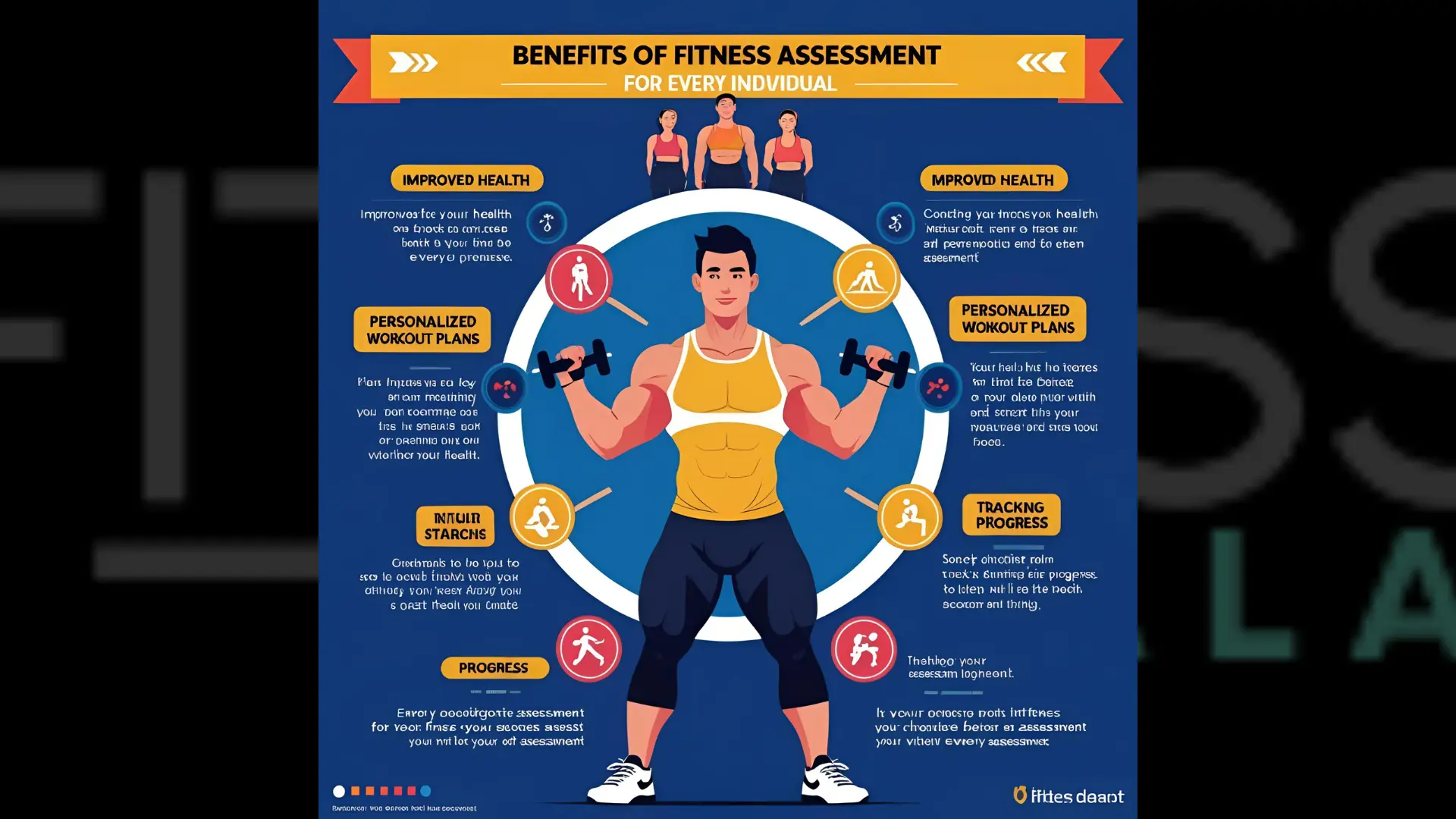
What are the benefits of fitness assessment for every individual is a question that reflects growing awareness around personal health and wellness. Whether you’re a beginner, athlete, student, or senior — fitness assessments provide a clear understanding of your body’s strengths, limitations, and goals.
Let’s explore how fitness assessments can improve health outcomes, boost motivation, and personalize your wellness journey.
What is a Fitness Assessment?
A fitness assessment is a series of standardized tests that measure different aspects of physical health. These typically include:
- Cardiovascular endurance (e.g., running, step test)
- Muscular strength and endurance (e.g., push-ups, sit-ups)
- Flexibility (e.g., sit-and-reach test)
- Body composition (e.g., BMI, waist-hip ratio)
These tests offer a baseline of your current physical condition and help set realistic, trackable goals.

Top Benefits of Fitness Assessment for Every Individual
1. Personalized Fitness Planning
Rather than following generic workouts, fitness assessments allow for a tailored approach. Whether you’re training for weight loss, muscle gain, or recovery, assessments guide your routine.
2. Early Detection of Health Risks
Assessments help identify problems such as:
- Obesity
- High blood pressure
- Posture issues
- Low stamina or flexibility
This early detection leads to faster intervention and long-term health benefits.
3. Motivation Through Measurable Progress
Seeing your improvements in strength, endurance, or flexibility builds confidence and keeps you committed to your goals.
4. Enhances Workout Safety
Knowing your limits helps prevent injuries. For example, if you lack flexibility or core strength, your trainer can adjust workouts to minimize risk.
5. Builds Accountability
Fitness assessments make it easier to track changes over time. This creates a sense of responsibility and keeps you consistent.
Who Should Take a Fitness Assessment?
Beginners
Helps create a safe, effective workout plan and avoids burnout or injury.
Athletes
Optimizes performance, tracks progress, and ensures balanced conditioning.
Seniors
Identifies risk areas like balance or bone density, helping maintain independence.
People with Medical Conditions
Enables safe integration of physical activity in coordination with healthcare providers.
Common Tools Used in Fitness Assessments
- VO2 max tests – for cardiovascular endurance
- Skinfold calipers or InBody scans – for body composition
- Flexibility tests – such as the sit-and-reach
- Functional movement screens – to detect imbalances or weakness
How Often Should You Take a Fitness Assessment?
Every 8 to 12 weeks is ideal, especially when you’re on a structured fitness program. It allows you to adjust your goals and keep workouts challenging.
DIY vs. Professional Assessments
- DIY (at home): Simple tools like measuring tape, BMI calculators, push-up counts.
- Professional (at a gym/clinic): More accurate, customized, and guided by certified experts.
Final Thoughts
So, what are the benefits of fitness assessment for every individual? It’s the starting point for smarter, safer, and more effective fitness journeys. It offers personalized insights, prevents injuries, and keeps you on track toward your health goals.
No matter your age, background, or fitness level — assessments help you understand where you are and how to get where you want to be.
For more tips on assessments, fitness routines, and lifestyle wellness, visit Fitness Nala — your trusted guide to health and progress.
FitnessNala.com — your friendly fitness hub offering simple workouts, honest wellness tips and motivation to help you build a healthy, sustainable lifestyle.
