A high-protein breakfast smoothie is one of the easiest ways to start your day strong—especially if mornings are busy or you struggle to eat a solid breakfast. When built correctly, it can keep you full for hours, stabilize energy levels, and support muscle health and weight management.
This guide explains why protein matters in the morning, how to build a balanced smoothie, and includes practical recipes you can actually stick with.
Why Protein Matters at Breakfast
Many traditional breakfasts are heavy on carbs and light on protein. That often leads to:
-
Hunger within 1–2 hours
-
Energy crashes
-
Strong cravings later in the day
Protein helps by:
-
Slowing digestion
-
Increasing satiety (feeling full)
-
Supporting muscle repair and metabolism
-
Reducing mid-morning snacking
For most people, 20–30 grams of protein at breakfast is a solid target.
What Makes a Smoothie “High-Protein”?
A high-protein smoothie isn’t just fruit blended with milk. It needs a clear protein source plus enough volume to feel like a real meal.
Common Protein Sources for Smoothies
-
Greek yogurt
-
Protein powder (whey or plant-based)
-
Nut butters (almond, peanut)
-
Milk or soy milk
-
Cottage cheese (blends surprisingly well)
Fruit adds flavor—but protein does the heavy lifting.
Also Read- Banana Smoothie (Simple, Healthy & Beginner-Friendly)
The Perfect High-Protein Smoothie Formula
Use this simple structure:
1 protein source
-
1 fruit
-
1 healthy fat (optional)
-
1 liquid
-
Ice or frozen fruit
This keeps calories controlled while maximizing fullness.
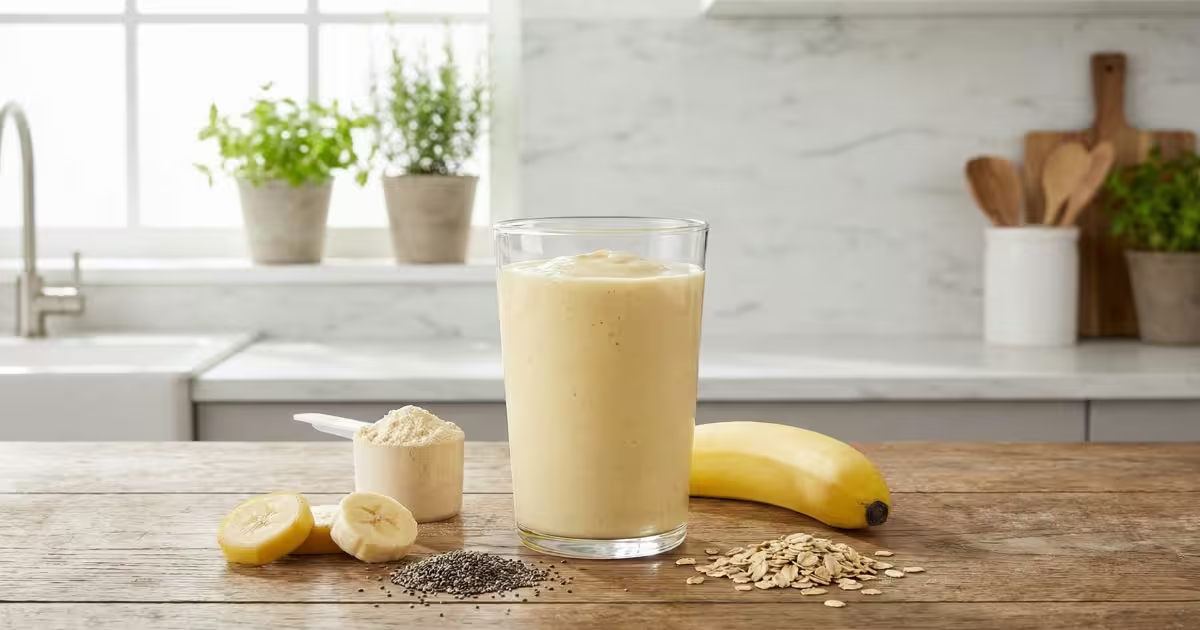
🥤 High-Protein Breakfast Smoothie (Base Recipe)
Ingredients
-
1 ripe banana
-
1 scoop protein powder (whey or plant-based)
-
¾–1 cup milk (dairy or soy for higher protein)
-
½ cup Greek yogurt
-
3–4 ice cubes
How to Make
-
Add everything to a blender
-
Blend until smooth and creamy
-
Adjust thickness with liquid or ice
Protein: ~25–30g (varies by brand)
High-Protein Smoothie Variations by Goal
💪 Muscle & Workout Support
Add:
-
Extra ½ scoop protein powder
-
1 tbsp peanut or almond butter
Why it works:
Higher protein and calories support training recovery.
🥗 Weight-Loss Friendly High-Protein Smoothie
Adjust:
-
Use unsweetened almond milk or water
-
Skip nut butter
-
Add spinach or zucchini
Why it works:
High protein, lower calories, very filling.
🥛 Dairy-Free / Vegan High-Protein Smoothie
Use:
-
Plant-based protein powder
-
Soy milk (higher protein than almond/oat)
-
Frozen banana for creaminess
Great for lactose intolerance or plant-based diets.
🥣 No Protein Powder Option
Use instead:
-
1 cup Greek yogurt
-
½ cup cottage cheese
-
Milk or soy milk
Blends smoothly and feels more like real food.
How to Keep Protein Smoothies From Tasting Chalky
-
Blend longer than you think (45–60 seconds)
-
Use ripe or frozen fruit
-
Add yogurt for creaminess
-
Avoid too much powder at once
Texture matters as much as nutrition.
When Should You Drink a High-Protein Smoothie?
-
Morning: Ideal as a full breakfast
-
Post-workout: Supports muscle repair
-
Busy days: Easy meal replacement
Because protein digests slowly, these smoothies work best as meals, not light snacks.
Common Mistakes to Avoid
-
Relying only on fruit for calories
-
Adding multiple sweeteners
-
Overloading with nut butter
-
Using low-protein liquids without compensation
Protein should be the priority—not an afterthought.
Nutrition Snapshot (Typical)
For a balanced high-protein smoothie:
-
Calories: ~300–400
-
Protein: 20–35g
-
Carbs: Moderate
-
Fats: Moderate
-
Fiber: Moderate
Exact values depend on ingredients and portions.
Who Benefits Most From High-Protein Breakfast Smoothies?
They’re especially helpful for:
-
Busy professionals
-
People trying to lose weight
-
Those who skip breakfast
-
Anyone wanting steady morning energy
They’re also easier to maintain than complicated meal plans.
Final Takeaway
A high-protein breakfast smoothie isn’t about fancy ingredients—it’s about structure and balance.
Get enough protein.
Keep ingredients simple.
Make it enjoyable enough to repeat.
When breakfast is easy, nutrition becomes consistent—and consistency is what delivers results.