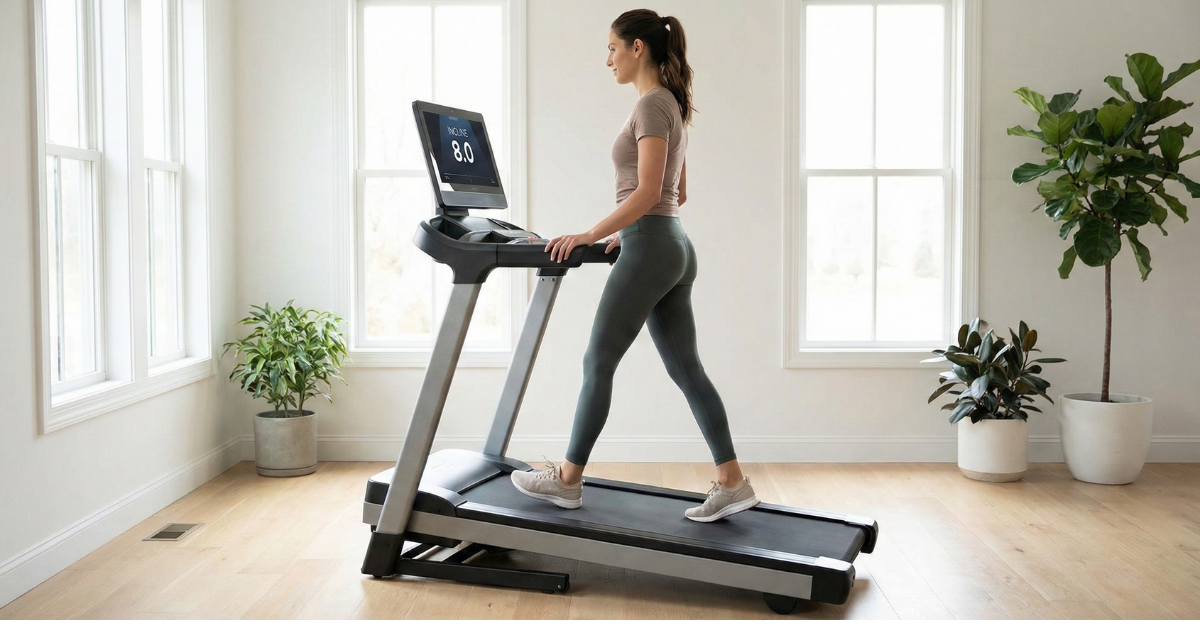
Incline walking—walking uphill on a treadmill or natural slope—is one of the most effective, low-impact cardio strategies supported by exercise science. By increasing the incline instead of speed, you can burn more calories, activate more muscles, and improve heart health while placing far less stress on your joints than running.
This complete guide explains the science-backed benefits of incline walking, who it’s best for, how to start safely, and why many people prefer doing it at home on an incline-capable treadmill.
What Is Incline Walking?
Incline walking simply means walking on an uphill surface, usually between 3% and 15% incline. On a treadmill, the incline is controlled manually or electronically; outdoors, it’s achieved by walking on hills.
Even at moderate speeds, walking uphill dramatically increases physiological demand because your body must work against gravity. That’s what makes incline walking so effective without requiring high-impact movement.
1. Burns More Calories Without Running
Scientific explanation:
Walking uphill increases oxygen consumption and heart rate at the same walking speed. Multiple studies show that incline walking can burn 30–60% more calories than flat walking.
Why this matters:
You achieve higher energy expenditure without increasing speed or impact, which is ideal for sustainable weight loss and joint protection.
2. Activates More Muscles (Especially Glutes)
Scientific explanation:
Incline walking shifts effort to the posterior chain, forcing muscles to actively propel the body upward.
Primary muscles engaged:
-
Gluteus maximus
-
Hamstrings
-
Quadriceps
-
Calves
-
Core stabilizers
Flat walking barely activates the glutes. Incline walking does—making it excellent for muscle tone and metabolic stimulation.
3. Improves Cardiovascular Fitness Faster
Scientific explanation:
Incline walking elevates heart rate more quickly than flat walking, often reaching moderate to vigorous intensity zones at safe speeds.
Benefits include:
-
Improved cardiovascular efficiency
-
Higher oxygen demand (VO₂ response)
-
Better blood pressure regulation
For many people, incline walking provides cardio benefits similar to jogging, but with much lower injury risk.
4. Low-Impact and Joint-Friendly
Scientific explanation:
Unlike running, incline walking keeps one foot on the ground at all times, reducing ground reaction forces on knees, hips, and the spine.
This makes incline walking ideal for:
-
Seniors
-
Beginners
-
Overweight individuals
-
People with knee or back sensitivity
You get high calorie burn with low mechanical stress.
5. Boosts Fat Oxidation (Fat Burning)
Scientific explanation:
At moderate intensities, incline walking encourages the body to rely more on fat as a fuel source, especially during 20–45 minute sessions.
This improves:
-
Fat oxidation
-
Workout sustainability
-
Long-term adherence
That’s why incline walking is commonly recommended for steady, burnout-free weight loss.
6. Strengthens Bones and Improves Balance
Scientific explanation:
Controlled uphill walking increases load-bearing demand, which stimulates:
-
Bone mineral density
-
Joint stability
-
Balance and coordination
This also improves proprioception (body awareness), helping reduce fall risk as we age.
7. Supports Metabolic Health
Scientific explanation:
Regular incline walking improves:
-
Insulin sensitivity
-
Blood glucose control
-
Lipid metabolism
Research shows that walking uphill—especially after meals—can significantly reduce post-meal blood sugar spikes, supporting overall metabolic health.
Incline Walking vs Flat Walking vs Running
| Factor | Flat Walking | Incline Walking | Running |
|---|---|---|---|
| Calorie Burn | Low–Moderate | High | High |
| Joint Impact | Very Low | Low | High |
| Muscle Activation | Low | High | High |
| Sustainability | High | Very High | Lower for many |
| Injury Risk | Very Low | Low | Higher |
Incline walking sits in the sweet spot between effectiveness and safety.
How to Start Incline Walking Safely
Beginner
-
Incline: 3–5%
-
Speed: Comfortable walking pace
-
Time: 15–20 minutes
Intermediate
-
Incline: 6–10%
-
Time: 20–40 minutes
Advanced
-
Incline: 10–15%
-
Optional intervals (incline up/down cycles)
Form tips:
-
Stand tall
-
Engage your core
-
Avoid leaning heavily on handrails
Incline Walking at Home: Why a Treadmill Helps
Incline walking can be done outdoors, but many people prefer a treadmill because it offers:
-
Precise incline control
-
Consistent pace and surface
-
Safer footing for beginners and seniors
-
Year-round indoor convenience
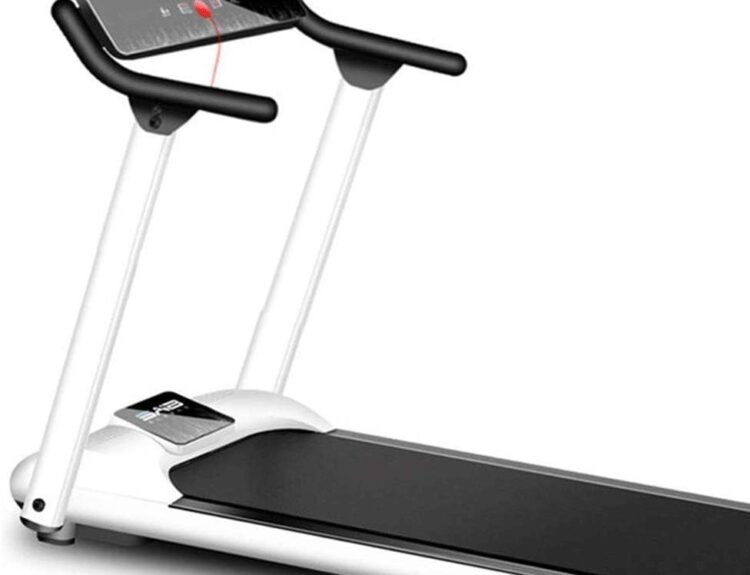
A foldable treadmill with incline is especially practical for home workouts, allowing you to increase intensity without increasing speed or impact, while still saving space.
👉 You can compare incline-capable treadmills on Amazon to see current features and prices.
What to Look for in a Treadmill for Incline Walking
You don’t need a high-speed running treadmill if incline walking is your focus. Look for:
-
At least 5–10% incline
-
A quiet motor designed for home use
-
Shock absorption for joint protection
-
A foldable or compact design for small spaces
Walking-focused treadmills are often better suited for long-term comfort and consistency.
👉 View home treadmills designed for incline walking on Amazon
Common Incline Walking Mistakes
-
Starting with too steep an incline
-
Holding the handrails (reduces muscle activation)
-
Leaning forward excessively
-
Skipping warm-up and cool-down
Correcting these small mistakes can significantly improve results.
Who Benefits Most from Incline Walking?
Incline walking is especially effective for:
-
People trying to lose weight
-
Adults over 40
-
Beginners returning to fitness
-
Anyone avoiding high-impact cardio
-
Home workout enthusiasts
It’s one of the few cardio methods that scales safely with age.
Final Takeaway
Incline walking is scientifically proven to:
-
Burn more calories
-
Activate more muscles
-
Improve heart and metabolic health
-
Protect joints
-
Support sustainable fat loss
It’s not a shortcut—it’s a smarter, long-term approach to cardio.
If your goal is fitness you can maintain at any age, incline walking deserves a permanent place in your routine—especially when paired with a simple, incline-capable treadmill at home.