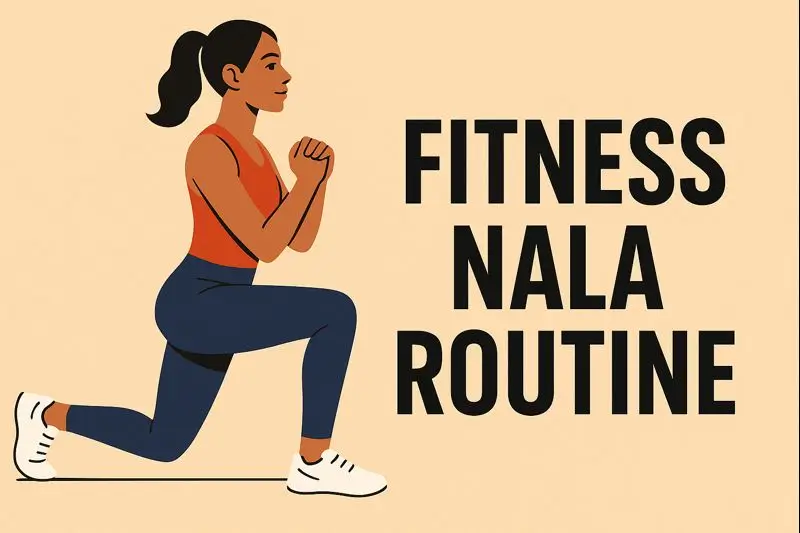
Staying fit doesn’t have to be complicated. You don’t need a gym membership, heavy equipment, or long workout sessions. The Fitness Nala Routine is designed for real people — busy professionals, students, parents, and beginners who want fast, effective results from home.
These routines focus on short, simple, science-backed workouts that build strength, burn fat, improve mobility, and boost daily energy. Whether you have 5 minutes or 20 minutes, you can follow this routine and start seeing results within weeks.
Let’s dive into exactly how the Fitness Nala Routine works and how you can use it to transform your health.
What Makes the Fitness Nala Routine So Effective?
The Fitness Nala method is built on three core principles:
✔ 1. Short but Powerful Workouts
Most sessions take 5–20 minutes, making them easy to fit into any schedule — even on busy days.
✔ 2. Beginner-Friendly Movements
Simple exercises with low risk and high reward. Anyone can follow along.
✔ 3. Balanced Training
The routine combines:
-
Strength
-
Cardio
-
Core
-
Mobility
This approach helps you build a fit, functional, pain-free body — without burnout.
The Four Components of the Fitness Nala Routine
To make the routine balanced and effective, each day includes elements of:
1. Strength Training
These exercises build lean muscle, boost metabolism, and improve everyday movement.
Common movements include:
-
Squats
-
Lunges
-
Push-ups
-
Glute bridges
-
Rows (with a band or backpack)
Strength training forms the foundation of the routine.
2. Cardio & HIIT
Short bursts of cardio help burn calories and increase endurance.
Typical movements:
-
Jumping jacks
-
High knees
-
Burpees
-
Fast marches
-
Mountain climbers
These exercises elevate the heart rate quickly — great for fat loss.
3. Core & Stability
A strong core supports your spine, improves posture, and boosts athletic performance.
Core exercises include:
-
Planks
-
Crunches
-
Leg raises
-
Russian twists
-
Dead bugs
Core work is added to most daily routines.
4. Mobility & Flexibility
Mobility improves joint movement and reduces stiffness from sitting.
Includes:
-
Neck circles
-
Shoulder rolls
-
Hip openers
-
Hamstring stretches
-
Cat–Cow poses
This helps your body move better and prevents injuries.
Daily Fitness Nala Routine (Beginner to Intermediate)
Here’s a sample structure you can follow any day.
🔹 Warm-Up (1–2 Minutes)
-
March in place
-
Arm circles
-
Hip circles
-
Light stretching
This prepares your body for movement.
🔹 Strength Block
Choose 2–3 exercises and repeat them in a circuit:
-
12 Squats
-
10 Push-ups
-
12 Lunges (each leg)
This builds full-body strength with simple, controlled movements.
🔹 Cardio Block
Choose 1–2 fat-burning moves:
-
30 sec High Knees
-
30 sec Fast Step Touch
-
20 sec Burpees (optional)
This increases your heart rate and burns calories fast.
🔹 Core Block
Finish with a core-focused mini routine:
-
30 sec Plank
-
15 Leg Raises
-
20 Russian Twists
Strengthening the core improves stability and posture.
🔹 Cool Down (1–2 Minutes)
-
Forward fold
-
Chest stretch
-
Deep breathing
Ends your routine with relaxed muscles and a calm mind.
Full Fitness Nala Routine Examples
Below are complete ready-to-use workouts.
1. Full Body Fitness Nala Routine (10–12 Minutes)
3 Rounds:
-
15 Squats
-
10 Push-Ups
-
12 Reverse Lunges
-
30 sec High Knees
-
20 Russian Twists
-
Rest 30 sec
Benefits:
Boosts strength + cardio + core in one balanced session.
2. Fitness Nala Booty & Leg Routine
3 Rounds:
-
15 Glute Bridges
-
12 Lunges (each leg)
-
20 Donkey Kicks
-
20 Fire Hydrants
-
30-sec Wall Sit
Benefits:
Builds glute strength, tones legs, boosts lower-body power.
3. Fitness Nala Core Routine
2–3 Rounds:
-
20 Crunches
-
15 Leg Raises
-
30 sec Plank
-
30 sec Mountain Climbers
Benefits:
Tones midsection, strengthens back and posture.
4. Fitness Nala Upper Body Routine
3 Rounds:
-
10 Push-Ups
-
15 Tricep Dips (chair)
-
20 Shoulder Taps
-
20 Arm Circles
Benefits:
Strengthens chest, arms, shoulders, and improves upper-body stability.
5. Fitness Nala Morning Mobility Routine (5 Minutes)
-
Neck Circles – 20 sec
-
Shoulder Rolls – 20 sec
-
Cat–Cow – 40 sec
-
Hip Circles – 30 sec
-
Hamstring Stretch – 40 sec
-
Chest Opener – 30 sec
Benefits:
Reduces stiffness and boosts morning energy.
Fitness Nala Weekly Workout Plan (Sample)
Follow this simple 7-day schedule:
Day 1: Full Body Routine
Day 2: Upper Body + Core
Day 3: Booty + Legs
Day 4: Mobility & Stretching
Day 5: HIIT Fat Burner
Day 6: Full Body Strength Circuit
Day 7: Rest or Gentle Yoga
This structure avoids overtraining and keeps your progress consistent.
Tips for Getting the Best Results with Fitness Nala
-
Start slow and increase intensity weekly
-
Focus on form, not speed
-
Stay consistent — even 10 minutes a day works
-
Combine exercise with proper hydration and sleep
-
Add resistance bands or dumbbells as you get stronger
-
Track progress (photos, reps, time)
Small daily steps lead to big long-term changes.
Common Mistakes to Avoid
-
Skipping warm-up and cool down
-
Using poor form
-
Doing only cardio without strength
-
Ignoring mobility work
-
Pushing too hard too fast
Avoiding these mistakes keeps you safe and helps you progress smoothly.
Who Is the Fitness Nala Routine For?
The routine is perfect for:
-
Beginners
-
Students
-
Busy professionals
-
Moms & dads
-
Home workout lovers
-
People returning to fitness
-
Overweight individuals
-
Anyone wanting simple, sustainable exercise
It’s designed to fit YOUR lifestyle — not the other way around.
Final Thoughts
The Fitness Nala Routine is simple, flexible, and effective. You can start anywhere, anytime, with zero equipment.
Whether your goal is to lose fat, build muscle, boost energy, or improve mobility, this routine helps you get stronger and healthier every day.
Consistency beats intensity.
Show up daily — even for 10 minutes — and your body will transform.
FitnessNala.com — your friendly fitness hub offering simple workouts, honest wellness tips and motivation to help you build a healthy, sustainable lifestyle.