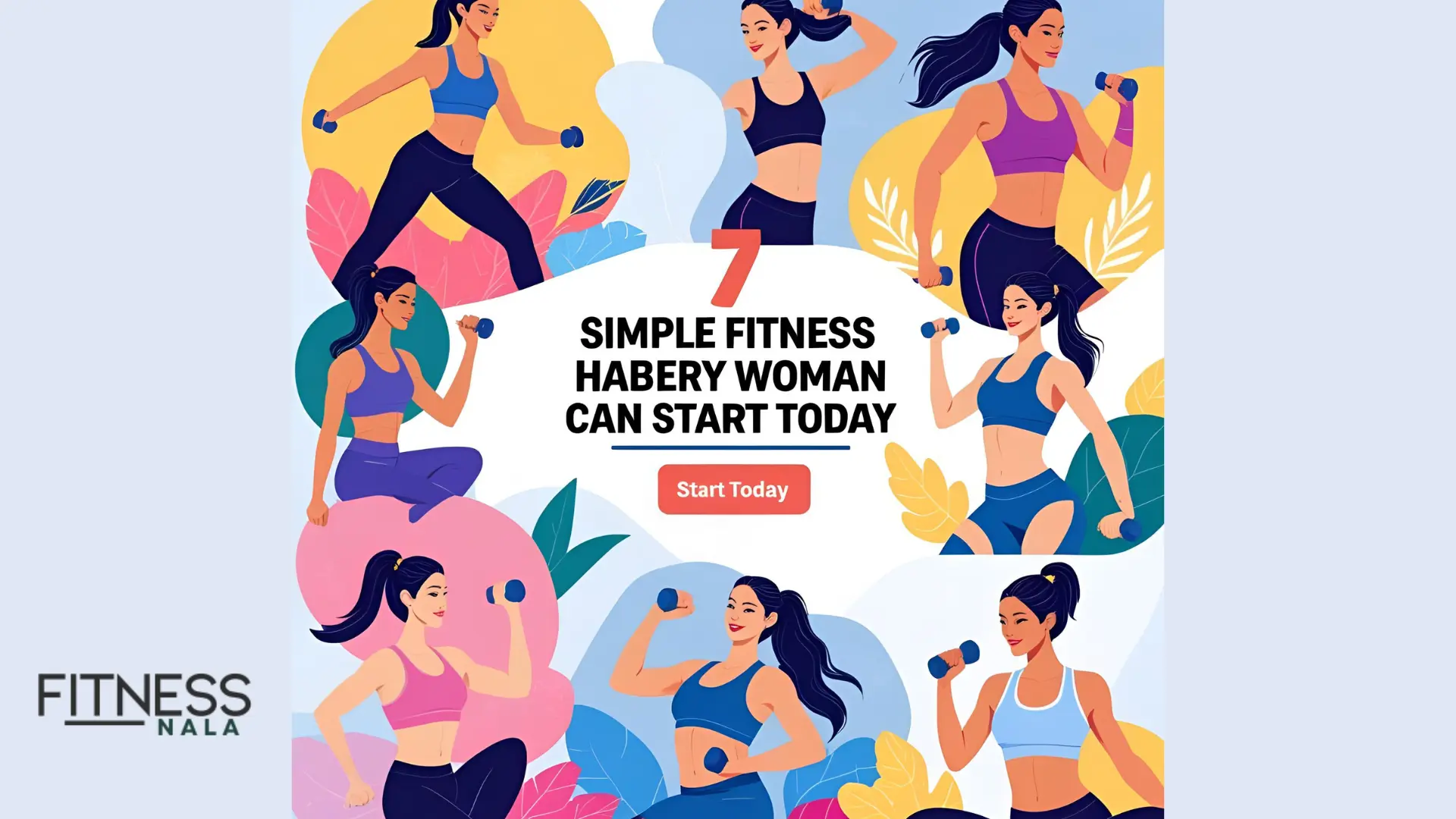
Getting healthier doesn’t have to mean extreme workouts or complicated routines. The truth is, the most lasting results come from small, consistent actions. Whether your goal is to boost energy, tone your body, lose weight, or simply feel better in your own skin, starting with 7 simple fitness habits can transform the way you live. These small changes are easy to stick with and make a big difference over time—physically, mentally, and emotionally.
At FitnessNala.com, we’re all about empowering women to make fitness work for them—not the other way around. These habits are perfect for anyone looking to build strength, improve wellness, and feel confident—all without the pressure of perfection.
1. Start the Day With Movement
Starting your morning with a little movement—like stretching, yoga, or a short walk—can wake up your body and mind. It doesn’t have to be a full workout. Just 5–10 minutes of movement gets your blood flowing and helps set a positive tone for the day.
You’ll feel more alert, improve flexibility, and build a more active lifestyle without even trying.

2. Drink More Water
One of the simplest ways to support your fitness goals is to stay hydrated. Water helps your metabolism function properly, reduces bloating, and keeps your skin glowing. It also helps you feel more energized during workouts and throughout your day.
Make it a habit to drink a glass of water as soon as you wake up, and keep a water bottle nearby to sip throughout the day.
3. Incorporate Strength Training
Don’t be afraid of lifting weights—or using your own bodyweight. Strength training isn’t just for building muscle; it helps support fat loss, strengthens bones, improves posture, and boosts your metabolism over time.
Even a few sessions a week using resistance bands or bodyweight exercises like squats, lunges, and push-ups can make a big difference. And yes, you can do it all from home.
4. Move for 30 Minutes a Day
Getting at least 30 minutes of movement a day is one of the best things you can do for your health. Whether it’s walking, dancing, biking, or using a workout app, consistent movement supports cardiovascular health, reduces stress, and helps you maintain a healthy weight.
And the best part? It doesn’t have to happen all at once—10-minute chunks throughout the day count, too.
5. Prioritize Sleep and Recovery
Your body can’t grow stronger or burn fat efficiently if it’s not getting enough rest. Sleep is where recovery happens—both physically and mentally. When you get enough high-quality sleep, you feel more motivated, less stressed, and ready to take on the day.
Try setting a regular sleep schedule, limiting screen time before bed, and creating a nighttime routine that helps you wind down.
6. Eat Nourishing, Balanced Meals
Fueling your body with the right foods is just as important as exercise. Instead of focusing on restriction or dieting, think about building balanced meals—lean proteins, healthy fats, vegetables, and whole grains. These foods provide long-lasting energy, support your workouts, and keep cravings in check.
Meal prepping even one or two times a week can help you stay consistent without stress.
7. Track Progress Without Obsessing Over the Scale
The number on the scale isn’t the only way to measure progress. Focus on how your clothes fit, your energy levels, your mood, and your strength gains. Keeping a journal or using a fitness app to track workouts, habits, or even your water intake can help you stay motivated over time.
Progress takes many forms—celebrate every one.
Final Thoughts
You don’t need a perfect plan or intense gym schedule to live a healthier life. Small steps matter, especially when they’re repeated daily. These seven habits are simple enough to start today, but powerful enough to make a lasting impact on your physical and mental wellness.
At FitnessNala.com, we’re here to support your journey—no matter where you’re starting. Because fitness isn’t just about how you look, it’s about how you live.