

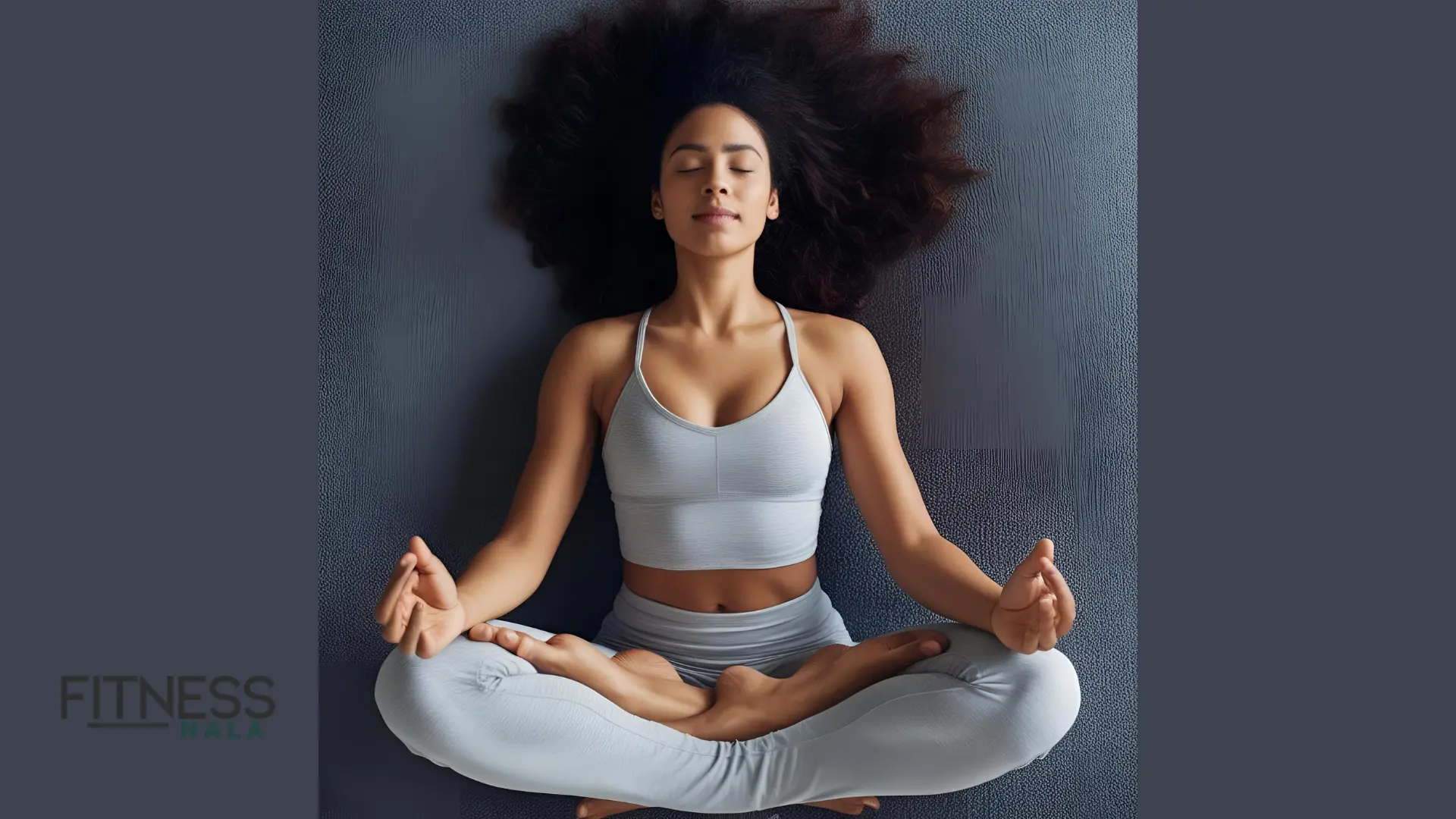
Struggling to fall asleep or stay asleep through the night? You’re not alone. In our fast-paced, always-on world, it’s no wonder so many of us find it hard to unwind when our heads hit the pillow. Sleep meditation is a powerful way to relax your mind—but pairing it with specific breathing exercises can take your bedtime routine to a whole new level.
Breathwork activates your parasympathetic nervous system—the “rest and digest” response—which lowers your heart rate, eases anxiety, and signals to your body that it’s time to sleep. Below, we’ll walk you through three of the best breathing techniques to complement your sleep meditation and help you drift off naturally.

1. The 4-7-8 Breathing Technique
The 4-7-8 breathing method, made popular by Dr. Andrew Weil, is often described as a “natural tranquilizer” for the nervous system. It’s incredibly simple and surprisingly effective at calming racing thoughts and preparing your body for sleep.
How to do it:
-
Inhale gently through your nose for 4 seconds.
-
Hold your breath for 7 seconds.
-
Exhale slowly and completely through your mouth for 8 seconds.
-
Repeat the cycle 4 to 8 times.
This technique works best when done just before lying down or during your sleep meditation. By regulating your breathing rhythm, it calms your mind and helps reduce the effects of stress and insomnia.
2. Bhramari Pranayama (Humming Bee Breath)
If you’ve ever found comfort in a soothing sound—like ocean waves or white noise—then Bhramari Pranayama might be just what you need. This ancient yogic breathing technique involves creating a gentle humming sound during exhalation, which can be deeply calming.
How to do it:
-
Sit or lie comfortably with your eyes closed.
-
Take a deep breath in through your nose.
-
As you exhale, make a low humming sound (like the buzz of a bee).
-
Feel the vibration in your head and chest.
-
Repeat for 5–7 minutes.
The vibration created by humming activates the vagus nerve, which promotes relaxation and mental clarity. It’s a great breathing practice to help transition from the mental busyness of your day to a more peaceful state before sleep.
3. Diaphragmatic (Belly) Breathing
Diaphragmatic breathing—also known as belly breathing—is one of the most basic yet powerful relaxation techniques. It’s all about engaging the diaphragm, rather than shallow breathing from the chest, which helps activate your body’s natural relaxation response.
How to do it:
-
Lie on your back with a pillow under your knees.
-
Place one hand on your chest and the other on your belly.
-
Inhale slowly through your nose, letting your belly rise.
-
Exhale through your mouth, letting your belly fall.
-
Keep your chest as still as possible, and focus on slow, steady breaths.
Practicing this for 5 to 10 minutes before bed (or even during your meditation) helps lower cortisol levels, relax your muscles, and prepare your body for restful sleep.
Read More – The Ultimate Home Workout for Busy Moms No Equipment Needed!
How to Use These Breathing Techniques With Your Sleep Meditation
You don’t need to do all three at once—start with the one that feels most natural and easy for you. You can use these breathing exercises:
-
As a warm-up before guided sleep meditation
-
To reset your body after a stressful day
-
If you wake up in the middle of the night and need help falling back asleep
Pairing these breathing techniques with calming sleep meditations or sleep-friendly apps (like Calm or Insight Timer) can further enhance your bedtime routine.
Bonus Tips to Fall Asleep Even Easier
Breathing is powerful, but it works best as part of a holistic approach to sleep. Try combining your breathwork with:
-
A body scan meditation
-
Progressive muscle relaxation
-
A cool, dark, and quiet sleeping environment
-
Avoiding caffeine, heavy meals, and blue light before bed
Final Thoughts
Your breath is always with you—and when used intentionally, it can be your best tool for better sleep. Whether it’s the steady rhythm of 4-7-8, the hum of Bhramari, or the depth of belly breathing, each of these techniques can help quiet your mind, calm your body, and prepare you for a restful night.
Try adding one of these breathing practices to your next sleep meditation. Stick with it for a few nights, and you may be surprised at just how much of a difference it makes.
Sweet dreams. ?
