

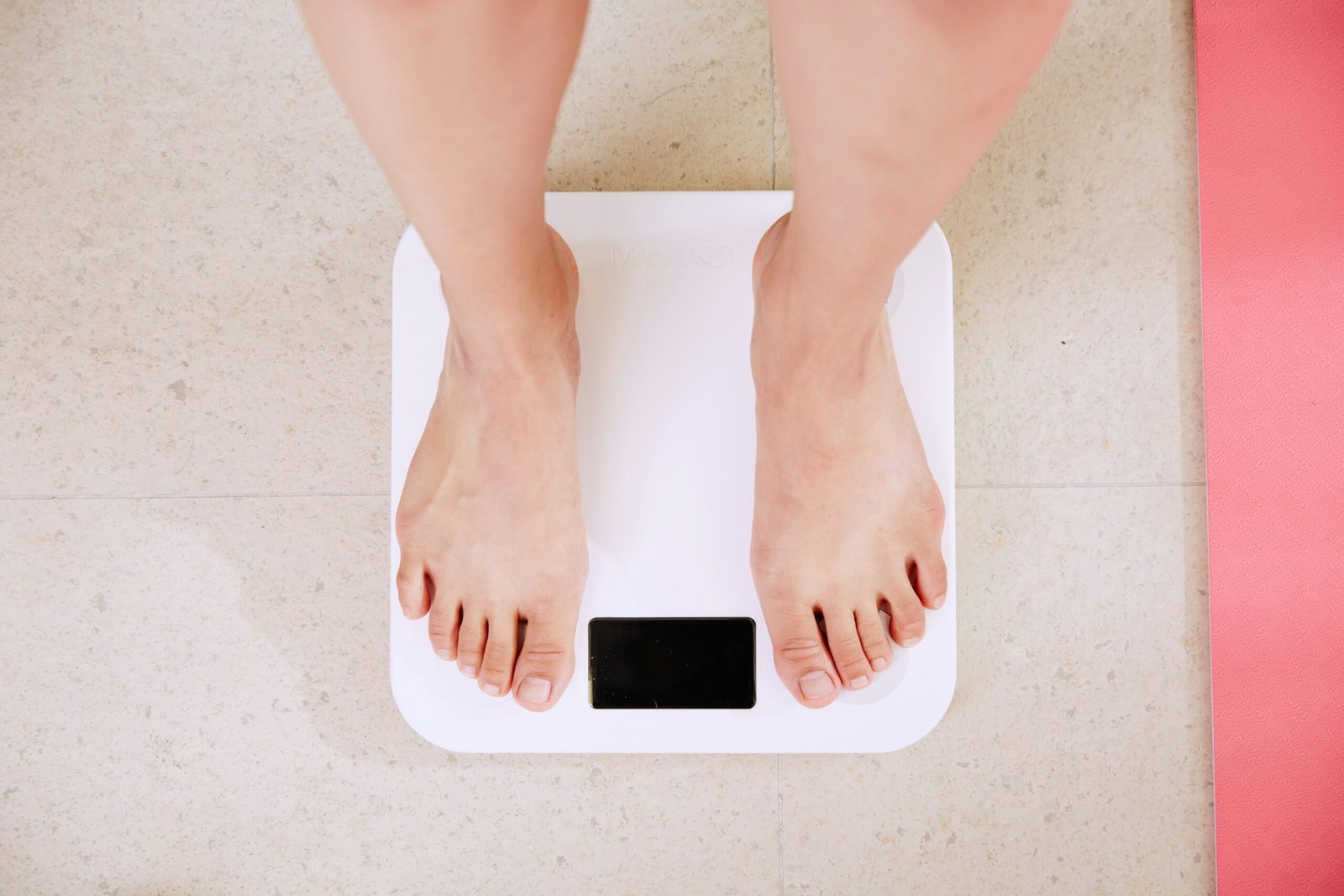
You’re three weeks into your fitness journey. You’ve been consistent. You’re eating better. You’re training hard. But you don’t see results yet.
So you get frustrated. You wonder if you’re doing something wrong. Maybe you need a different approach. Maybe this isn’t working.
Here’s the truth: slow fitness progress is completely normal. In fact, it’s a sign you’re doing something right. Let me explain why slow fitness progress happens and what realistic timelines actually look like.
Quick Facts: Fitness Progress Timeline Reality
| Timeline | What’s Happening | Visible Changes | Strength Gains |
|---|---|---|---|
| Week 1-2 | Neural adaptation | Minimal | 5-10% |
| Week 3-4 | Body adjusting | Slight (clothes fit different) | 10-15% |
| Week 6-8 | Real changes visible | Clear changes | 15-25% |
| Week 12 | Noticeable transformation | Significant | 25-40% |
| Month 6 | Real results | Very noticeable | 40-60% |
| Month 12 | Major transformation | Serious results | 60%+ |
The Reality Of Slow Fitness Progress
Here’s why slow fitness progress frustrates people: they expect movie-montage transformations.
Real life doesn’t work that way. Your body doesn’t change overnight. It adapts slowly. This slowness is actually protection. Your body is designed to be stable, not to change rapidly.
Slow fitness progress isn’t a bug. It’s a feature. It means your body is making real, sustainable changes. Not just water loss. Not just temporary changes. Actual body recomposition.
Understanding this mindset shift helps you appreciate slow fitness progress instead of fighting it.
Reason 1: Your Body Needs Time To Adapt (Neurological Adaptation)
The first 2-3 weeks of training creates neurological adaptation, not muscle growth.
Your nervous system learns the movement. Your body figures out how to use muscles more efficiently. You get stronger but your body doesn’t look different yet.
This is why people see strength gains week 1 but zero physical changes. The slow fitness progress initially is your nervous system adapting, not muscle building.
Real muscle growth takes longer. That’s why slow fitness progress is normal.
Reason 2: Body Composition Changes Are Invisible At First
You’re losing fat and building muscle simultaneously. These changes happen at the same rate initially, so scale weight doesn’t change much.
But your body composition is improving. Your clothes fit different. You look different. But the scale barely moves.
This is why relying on scale weight creates frustration with slow fitness progress. The progress is happening. Just not where you’re looking.
Reason 3: Adaptation Takes Weeks, Not Days
Your body adapts to training stimulus within 3-4 weeks. It’s already gotten used to your new training.
Real progress requires consistent stimulus increase (progressive overload). That takes time. Hence slow fitness progress.
If progress were fast, everyone would be jacked after one month. But adaptation is gradual. Slow fitness progress is the reality of how bodies actually work.
Reason 4: Fat Loss Is Inherently Slow
Fat loss happens at ~1 pound per week maximum (healthily). That’s about 4 pounds per month.
Not noticeable after 1 week. Slightly noticeable after 2 weeks. Clear after 4 weeks.
This is why slow fitness progress is frustrating for people. They expect faster fat loss. But 1-2 pounds per week is actually fast. Healthy. Sustainable.
Faster is usually water loss or muscle loss, not actual fat loss.
Reason 5: Muscle Building Is Even Slower
Building muscle is slower than losing fat.
Realistic: 0.5-1 pound of muscle per month for beginners. Even less for advanced lifters.
This is why slow fitness progress for muscle gain is particularly slow. You’re literally adding small amounts of tissue. That takes time.
After 3 months: 1.5-3 pounds of muscle. Not dramatic. But real.
Reason 6: Hormonal Changes Take Time
Hormones regulate everything in your body. Sleep hormones. Hunger hormones. Growth hormones. Stress hormones.
Training changes hormones. But this takes 4-6 weeks of consistent training. Until then, hormones are still in “old state.”
This is why slow fitness progress is inevitable. You’re asking your hormones to change. That takes time.
The Actual Timeline For Fitness Progress
Let me be honest about what realistic timelines look like:
Week 1-2 (The Honeymoon):
You feel good. Energy up. Motivation high. But zero visible changes. Your body is neurologically adapting. This is why slow fitness progress is especially frustrating early – you feel great but see nothing.
Week 3-4 (First Glimpse):
Clothes fit slightly different. You’re slightly stronger. But if you weren’t looking for it, you’d miss it. Slow fitness progress becomes noticeable only if you’re tracking it.
Week 6-8 (The Turning Point):
Now people start noticing. “Have you been working out?” You look different. Energy is noticeably better. Slow fitness progress finally becomes visible progress to others.
Week 12 (Three Month Mark):
Real transformation. You look noticeably different. You feel completely different. Slow fitness progress has accumulated into real results.
Month 6 (Six Month Mark):
Serious transformation. People who haven’t seen you in months comment on changes. Slow fitness progress has become undeniable progress.
Month 12 (One Year):
Major results. Could compete in body composition changes from year one. Slow fitness progress compounded over a year creates dramatic changes.
Why Slow Progress Is Actually Good
Slow fitness progress feels frustrating but it’s actually ideal for several reasons:
It’s sustainable: Slow changes stick. Fast changes (usually water) disappear.
It’s healthy: Losing 1-2 pounds per week is healthy. Faster is dangerous.
It’s real: Slow fitness progress means real body recomposition. Real muscle. Real fat loss.
It builds habits: Slow progress gives time to build the habits that maintain results.
It’s confidence-building: When results are slow but consistent, you develop real confidence. Not temporary motivation.
Real Examples: Understanding Slow Fitness Progress Timeline
Jake’s Progress:
Jake trained for 8 weeks. Expected dramatic results.
Week 1-2: No visible changes. Frustrated. Wondered if it was working.
Week 4: Clothes fit slightly different. Starting to see it.
Week 8: Clear visible changes. People noticing.
Jake’s slow fitness progress initially discouraged him. But by week 8, he was amazed by results. He learned that slow fitness progress was actually progress.
Maria’s Progress:
Maria needed fat loss. Expected 10 pounds in 3 weeks.
Reality: Lost 0.8 pounds per week. After 4 weeks, only 3 pounds down.
“This is slow fitness progress!” she complained.
But after 12 weeks: 10 pounds down. After 24 weeks: 20 pounds down. What seemed like slow fitness progress early became serious results over time.
David’s Progress:
David wanted to build muscle. Expected to add 10 pounds in a month.
Reality: Added 2 pounds in the first month (mostly water and food weight). After 3 months: actually added 3 pounds of muscle. Slow fitness progress was real.
By month 6: Added 8 pounds of actual muscle. Slow fitness progress compounded into real muscle gain.
All three learned that slow fitness progress wasn’t a problem. It was normal.
Comparing Slow Progress To The Alternative
What if progress was fast?
Fast results scenario:
- Week 1: Massive changes
- Week 2: Peak results
- Week 3: Body adapts, plateau
- Week 4: Quit because progress stopped
Fast results would mean:
- Unsustainable (body can’t maintain rapid change)
- Mostly water/temporary (not real results)
- Not buildable into habit
Slow progress scenario:
- Week 1: Feeling good (neural adaptation)
- Week 4: Slight changes
- Week 8: Real changes visible
- Week 12: Transformation
- Ongoing: Continues improving
Slow is actually better. Slow fitness progress is sustainable progress.
How To Deal With Slow Fitness Progress
Track properly: Use photos, measurements, strength gains. Not just scale weight. Slow fitness progress is visible when you track the right metrics.
Celebrate small wins: Each extra rep. Slightly lighter clothes. Small strength gains. These add up to real slow fitness progress.
Be patient: Set realistic expectations. 12 weeks minimum to see clear results. 6 months for serious transformation. This patience prevents quitting during slow fitness progress.
Focus on consistency: Don’t chase fast results. Focus on showing up. Consistency compounds slow fitness progress into real results.
Remember the timeline: 6-8 weeks before visible changes. 12 weeks before serious results. This context helps you accept slow fitness progress as normal.
FAQ: Questions About Slow Fitness Progress
Q: How long before you see fitness results?
A: Noticeable changes in 4-6 weeks if you’re consistent. Serious results in 12 weeks. Slow fitness progress is normal but compounds over time.
Q: Is slow fitness progress normal?
A: Completely. If results were fast, everyone would be fit. Slow fitness progress is how healthy bodies change.
Q: Can you speed up slow fitness progress?
A: You can optimize it (better nutrition, sleep, progressive overload) but you can’t truly speed it up. Slow fitness progress is biological reality.
Q: Why does fitness progress stop after initial gains?
A: Your body adapted. This is normal. Add progressive overload to restart slow fitness progress.
Q: Should I quit if I’m not seeing fast results?
A: No. If you quit at week 4, you’ve quit during the toughest part of slow fitness progress. Week 6-8 is when results get visible.
Q: How much weight should I lose per week for healthy slow fitness progress?
A: 1-2 pounds per week is healthy. This slow fitness progress is actually faster than most expect.
Q: Is slow fitness progress better than fast?
A: Yes. Fast usually means water loss or muscle loss. Slow fitness progress means real body recomposition.
Q: What if my slow fitness progress stops?
A: You hit a plateau. Add progressive overload, change your routine, or improve nutrition. Resume slow fitness progress.
The Psychology Of Slow Fitness Progress
Here’s the psychological challenge of slow fitness progress: expectation vs reality.
You expect movie-montage transformation. Reality is 1 pound per week. 2 pounds per month. 12 pounds per year.
That feels slow. But 12 pounds is serious change. You just expected it faster.
Accepting slow fitness progress as the default removes frustration. You’re not failing. You’re just experiencing normal human physiology.
The Bottom Line On Why Fitness Results Take So Long
Slow fitness progress isn’t a problem. It’s reality.
Your body changes slowly. Adaptation takes weeks. Real results take months. Serious transformation takes a year.
But here’s what’s beautiful about slow fitness progress: it sticks. Because it’s real. Because it’s built on actual habit change.
Stop expecting fast results. Accept slow fitness progress as normal. Show up consistently. Trust the process.
In 12 weeks you’ll look back and be amazed by how much slow fitness progress accumulated. In 6 months you’ll be shocked. In a year you’ll be completely transformed.
The speed doesn’t matter. The consistency does. Slow fitness progress done consistently beats fast results that don’t stick.
