

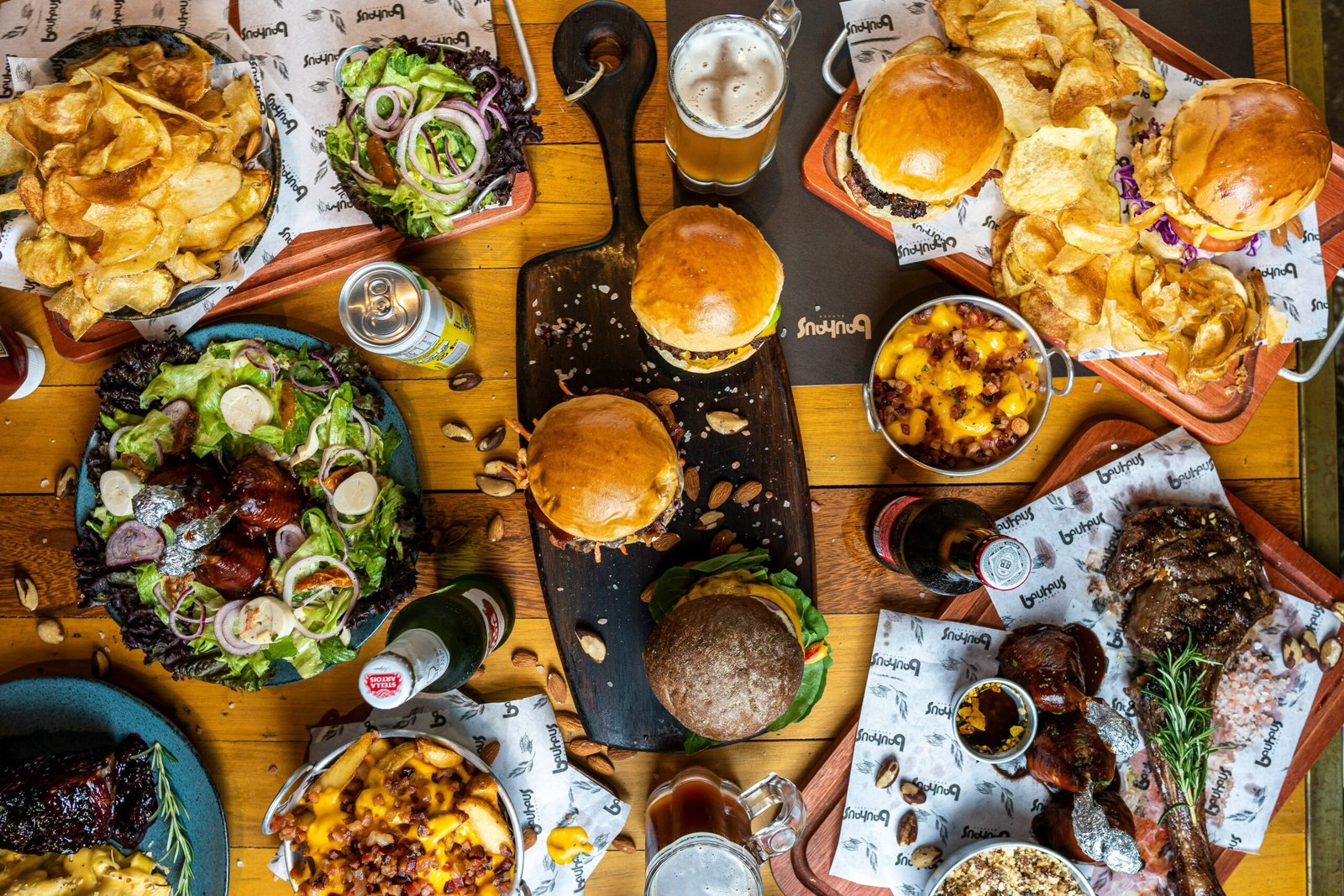
You know junk food isn’t healthy. You’ve committed to eating better. You’re doing great.
Then 3 PM hits. Or after dinner. Or late at night.
And suddenly you’re craving junk food intensely. The craving is so strong you can’t resist.
You give in. Feel guilty. Promise yourself you won’t do it again.
Then the cycle repeats.
This isn’t a willpower problem. It’s a biology problem. And there are specific strategies to stop junk food cravings that actually work.
Let me show you exactly how to stop junk food cravings so they don’t sabotage your health goals.
Quick Facts: Why People Crave Junk Food
| Reason | Prevalence | Controllability | Timeframe |
|---|---|---|---|
| Low blood sugar | 70% | Very High | Hours |
| Emotional eating | 65% | High | Days-weeks |
| Inadequate sleep | 55% | Very High | Days |
| Dehydration | 50% | Very High | Minutes |
| Habit/routine | 45% | Very High | Weeks |
| Nutrient deficiency | 30% | High | Weeks |
| Stress | 40% | High | Ongoing |
| Actual hunger | 25% | Very High | Minutes |
The Real Reason You Crave Junk Food
Here’s what most people don’t understand: junk food cravings aren’t random. They’re your body sending signals.
Usually the signal is one of these:
- Low blood sugar (wants quick energy)
- Low dopamine (wants reward)
- Dehydration (interprets as hunger)
- Missing micronutrients (body’s seeking them)
- Emotional need (wants comfort)
- Poor sleep (brain wants sugar for energy)
- Habit (automatic response to trigger)
Cravings are fixable when you know what’s causing them.
Strategy #1: Stabilize Your Blood Sugar
The #1 reason for junk food cravings: blood sugar crashes.
When blood sugar drops, your body screams for quick energy. Junk food provides it instantly. That’s why cravings hit hard.
How to stabilize blood sugar:
- Eat balanced meals (protein + carbs + fat)
- Never skip meals
- Include protein at every meal
- Eat complex carbs, not refined
- Have afternoon snack to prevent crash
- Avoid extreme calorie restriction
When blood sugar is stable, junk food cravings drop dramatically.
Strategy #2: Eat Enough Protein
Protein is the most satiating macronutrient. It reduces hunger and cravings.
People who eat adequate protein have fewer junk food cravings.
How to do this:
- Aim for 0.7-1g per pound of bodyweight
- Include protein at every meal
- Protein-rich snacks (Greek yogurt, nuts, meat)
- Protein actually reduces overall hunger
Increased protein alone stops many junk food cravings.
Strategy #3: Stay Hydrated
Dehydration is often mistaken for hunger.
You think you want junk food. You’re actually thirsty.
How to fix this:
- Drink 2-3 liters water daily
- More if exercising
- Drink water when cravings hit
- Check urine color (pale = hydrated)
- Often cravings disappear after water
This is quick and often immediately effective at stopping junk food cravings.
Strategy #4: Improve Your Sleep
Poor sleep increases ghrelin (hunger hormone) and decreases leptin (fullness hormone).
You’re literally hungrier and less satisfied when sleep-deprived.
Plus, tired brains crave sugar for energy.
How to improve sleep:
- 7-9 hours minimum
- Consistent schedule
- Dark room
- No phone before bed
- Cool temperature
Better sleep significantly reduces junk food cravings.
Strategy #5: Address Emotional Eating
Many junk food cravings are emotional, not physical.
Stress. Boredom. Loneliness. Anxiety. You reach for junk food to feel better.
How to address this:
- Notice when you crave (time, emotion, trigger)
- Check: am I physically hungry?
- If emotional: address the emotion (walk, call friend, meditation)
- Build non-food coping strategies
- Over time, cravings become less automatic
This requires awareness and practice but is highly effective.
Strategy #6: Replace, Don’t Restrict
Trying to avoid junk food entirely often backfires. Restriction increases cravings.
Instead: replace with healthier options.
How to replace:
- Want chips? → popcorn or pretzels
- Want candy? → fruit or dark chocolate
- Want soda? → sparkling water
- Want ice cream? → frozen yogurt
- Want cookies? → protein cookies
You’re still getting satisfaction but making it healthier.
Strategy #7: Break The Habit Loop
Many junk food cravings are just habit.
You get home (trigger), you eat chips (behavior), you feel satisfied (reward).
The brain learns: trigger → behavior = reward.
How to break it:
- Identify the trigger (time, place, emotion)
- Change the trigger environment (different room, different time)
- Replace with new behavior (walk instead of snacking)
- Repeat new behavior until it becomes habit
- Takes 3-4 weeks to break old habit
This addresses craving at the source.
Strategy #8: Manage Stress
Chronic stress elevates cortisol. Elevated cortisol increases junk food cravings.
Stress management is essential for stopping cravings.
How to manage stress:
- Exercise (best stress relief)
- Meditation
- Yoga
- Therapy
- Breathing exercises
- Time with friends
- Hobbies
Lower stress = fewer junk food cravings.
The Timeline For Cravings To Decrease
Day 1: You make changes. Cravings might still be strong (habit).
Days 2-3: Some reduction if you addressed nutritional cause (blood sugar, hydration, sleep).
Week 1: Noticeable improvement. Cravings less intense.
Week 2-3: Significant improvement. New habits forming.
Week 4-6: Cravings mostly gone. New habits automatic.
Timeline depends on cause. Blood sugar and hydration fix quickly. Habit and emotional eating take weeks.
Common Mistakes That Worsen Cravings
Complete restriction: Avoiding junk entirely increases cravings.
Undereating: Creates blood sugar crashes and intense cravings.
Poor sleep: You’re biologically hungrier and more prone to cravings.
Only addressing food: If it’s emotional, food restriction doesn’t work.
All-or-nothing thinking: One slip means “I failed.” That triggers more eating.
Not addressing stress: You’ll keep reaching for food for comfort.
Ignoring hydration: Half your cravings might be thirst.
These mistakes keep the craving cycle going.
Learn more in our Complete Emotional Eating Solutions Guide for deeper work on the psychology of cravings and how to truly stop them.
FAQ: Questions About Junk Food Cravings
Q: Are junk food cravings normal?
A: Completely. Most people experience them. You’re not weak or undisciplined.
Q: Can you completely eliminate cravings?
A: Usually yes. With proper nutrition, sleep, stress management, cravings become minimal.
Q: Is it okay to indulge cravings sometimes?
A: Yes. Complete restriction backfires. Having junk food occasionally prevents obsession.
Q: How often can I eat junk food without undoing progress?
A: 1-2 times per week is fine. More frequent and it impacts progress.
Q: Does willpower ever work for cravings?
A: Sometimes short-term. But addressing root cause (blood sugar, emotion, etc.) is more effective long-term.
Q: Why do cravings hit at certain times?
A: Usually tied to blood sugar cycle (afternoon), emotional state (evening), or habit (specific trigger).
Q: Can cravings indicate nutrient deficiency?
A: Sometimes. Craving salt might indicate electrolyte need. Craving sugar might indicate B vitamin deficiency.
Q: Does exercise help with cravings?
A: Yes. Exercise reduces stress, stabilizes blood sugar, and shifts mood. Very effective.
Psychology Of Cravings
Understanding the psychology helps:
Restriction effect: Forbidden foods become more desirable. Allow them occasionally.
Reward seeking: Junk food provides dopamine hit. Address this with other rewards (exercise, hobbies, connection).
Emotional use: Food becomes emotion management. Build other coping strategies.
Habit power: Routine is powerful. Changing routine breaks the habit.
All-or-nothing: One slip triggers “might as well” thinking. Normalize occasional indulgence.
Understanding these patterns helps you address cravings psychologically, not just nutritionally.
The Bottom Line On How To Stop Junk Food Cravings
Junk food cravings are fixable. They’re not a character flaw or lack of willpower.
Most cravings come from:
- Blood sugar crashes (fix: eat balanced meals)
- Emotional needs (fix: non-food coping strategies)
- Poor sleep (fix: sleep 7-9 hours)
- Dehydration (fix: drink water)
- Habit (fix: change routine)
- Stress (fix: stress management)
Identify which applies to you. Address it. Junk food cravings decrease.
You don’t have to white-knuckle through cravings. You can actually fix them.
In 4-6 weeks of consistent strategies, cravings become minimal. Food is no longer a constant battle.
