
HIIT—short for High-Intensity Interval Training—is often promoted as the fastest way to burn fat. You’ve probably seen headlines claiming “maximum fat burn in minimum time” or “better than cardio.”
But if you’re a beginner, the real question isn’t hype. It’s this:
👉 Does HIIT actually burn more fat—and is it the right choice for you?
Let’s break it down using simple science, real-life examples, and a beginner-friendly approach—without extremes or confusion.
What HIIT Really Is (In Simple Terms)

HIIT alternates between:
-
Short bursts of hard effort
-
Short periods of rest or easy movement
That effort can come from many activities—not just jumping or sprinting. For example:
-
Fast walking → slow walking
-
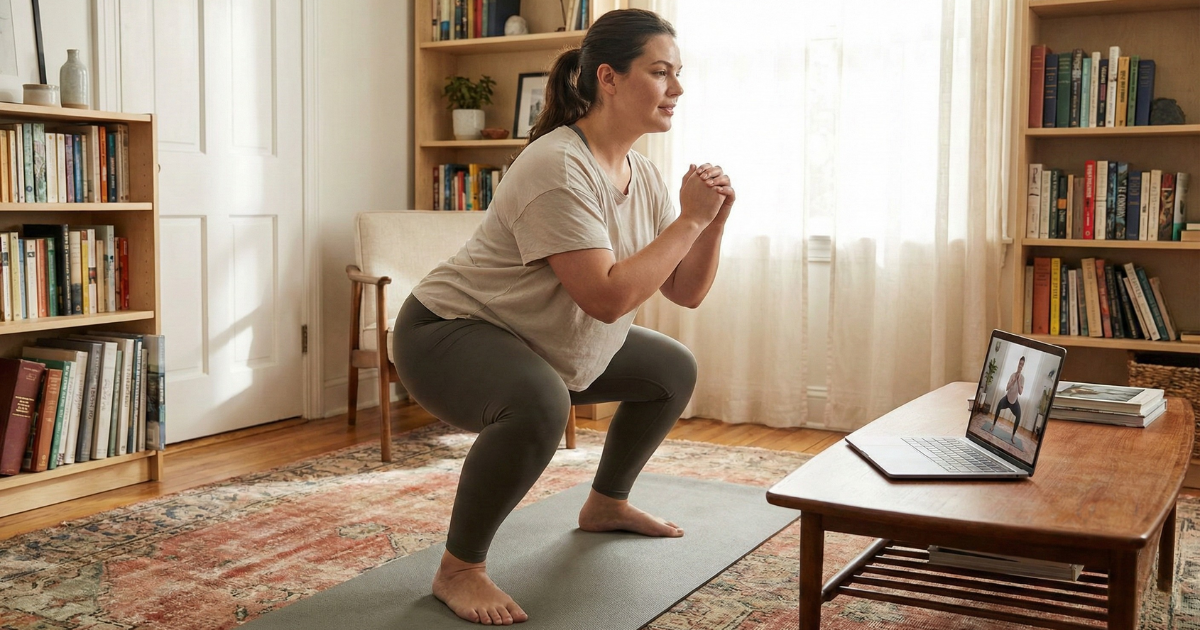
Squats → rest
-
Cycling → easy pedaling
Many beginners assume HIIT must be intense, jump-heavy workouts. In reality, HIIT is about effort level, not specific exercises.
What “Burning Fat” Actually Means
This is where most people get misled.
Fat burned during a workout ≠ fat lost from your body
Fat loss happens when:
You burn more calories over time than you consume
HIIT, walking, strength training—all can contribute. No single workout overrides consistency, sleep, or nutrition.
Does HIIT Burn More Calories?
Yes—per minute, HIIT burns calories faster than steady movement. That’s why a 15–20 minute HIIT session can feel intense.
But here’s the catch:
If HIIT feels so exhausting that you only do it once a week—or quit entirely—total calorie burn drops.
This is why many beginners actually get better results from:
-
Brisk walking
-
Light strength circuits
-
Low-impact intervals
Especially when these are easier to repeat.
The “Afterburn Effect” (Beginner Truth)
HIIT can slightly increase calorie burn after your workout through something called EPOC.
In real-world terms:
-
This usually equals 20–50 extra calories
-
Helpful, but not dramatic
It’s a bonus—not the main reason HIIT works.
Where Beginners Often Go Wrong With HIIT
Many beginners jump straight into:
-
High-impact workouts
-
Jump-heavy routines
-
Long HIIT sessions
This often leads to:
-
Joint pain
-
Excessive soreness
-
Burnout
-
Inconsistent workouts
HIIT works best when it’s adapted to your level, not copied from advanced routines.
A Smarter Way to Use HIIT (Beginner-Friendly)
Instead of all-out workouts, beginners do better with low-impact HIIT, such as:
-
Squats, rows, and presses using resistance bands
-
Short strength circuits with adjustable dumbbells
-
Fast-paced walking intervals on a treadmill with incline
-
Bodyweight intervals done on a comfortable exercise mat
These options raise heart rate without excessive joint stress—and they’re much easier to repeat consistently.
HIIT vs Steady Cardio: What Actually Burns More Fat?
Steady Cardio (Walking, Cycling, Elliptical)
-
Easier to recover from
-
Can be done more often
-
Burns calories steadily
-
Ideal for building habits
HIIT
-
Burns calories quickly
-
Takes less time
-
Requires good recovery
-
Best in smaller doses
💡 Fat loss favors what you can do consistently, not what feels hardest once.
So… Does HIIT Actually Burn More Fat?
Here’s the honest answer:
-
HIIT burns calories efficiently
-
It does not magically burn more fat
-
It is not required for fat loss
-
It works best as a tool, not a rule
For many beginners, combining steady movement with short, controlled HIIT-style sessions leads to better long-term results.
A Balanced Beginner Fat-Loss Setup (Realistic)
A sustainable approach might look like:
-
3–4 days of walking or incline treadmill sessions
-
1–2 short HIIT-style strength workouts using bands or dumbbells
-
2–3 total-body strength sessions per week
-
Focus on recovery, sleep, and nutrition
This keeps workouts challenging—but manageable.
Common Myths to Let Go Of
❌ “HIIT is the only way to lose fat”
❌ “If it’s not exhausting, it’s not working”
❌ “More intensity always means better results”
Fat loss is built on repeatable effort, not punishment.
Final Takeaway (Beginner Truth)
HIIT doesn’t magically burn more fat.
It’s simply one option that:
-
Saves time
-
Raises heart rate quickly
-
Works best when used strategically
For beginners, low-impact HIIT combined with steady cardio and strength training is often the smartest path forward.
The best workout isn’t the hardest one.
It’s the one that helps you show up again tomorrow.
